 Viktor Dobrolyubov

When a client comes to a lomi lomi session for the first time, they often ask: “How is this different from an ordinary massage?” The answer goes far beyond technique. Lomi lomi is not just a set of manipulations of the body but a whole philosophy of healing that took shape over centuries in the Hawaiian Islands and is now experiencing a true renaissance in the global spa industry.
Specialists who have practised this technique for over ten years observe a steady trend: clients return to lomi lomi again and again, calling it the “deepest” and most “transformative” experience of all massage practices.
The roots of the tradition: how lomi lomi was born
In Hawaiian, “lomi lomi” literally means “to knead, to massage”, but this definition doesn't convey the full depth of the practice. In traditional Hawaiian culture lomi lomi was part of the Huna healing system — the ancient teaching of life energy and harmony.
Historically, the massage was performed by kahuna lapa'au — healers and keepers of sacred knowledge. They saw the body not as a collection of muscles and bones but as the temple of the soul (na'au), where physical health is inseparable from emotional and spiritual state. Each session began with a prayer (pule), and the master entered a special meditative state to feel the client's energy blocks.
Until the mid-20th century lomi lomi was practised mainly within Hawaiian families and passed down from generation to generation. The Western world learned about it thanks to Aunty Margaret Machado, who in the 1970s began teaching the technique outside Hawaii, adapting the sacred practice to modern conditions while preserving its spiritual essence.
The “Aloha” philosophy: what lies behind the technique
The central concept of the practice — Aloha — means not just “hello” or “love” but a state of presence, unconditional acceptance and harmony with the world. It is based on the seven principles of Huna: awareness (Ike), freedom (Kala), focus (Makia), presence (Manawa), love (Aloha), inner power (Mana) and effectiveness (Pono).
These principles define the master's approach. A lomi lomi therapist is not a mechanical performer of techniques but a conductor of healing energy, working in a state of deep meditation and intuitive understanding of the needs of the client's body.
A unique technique: what happens on the massage table
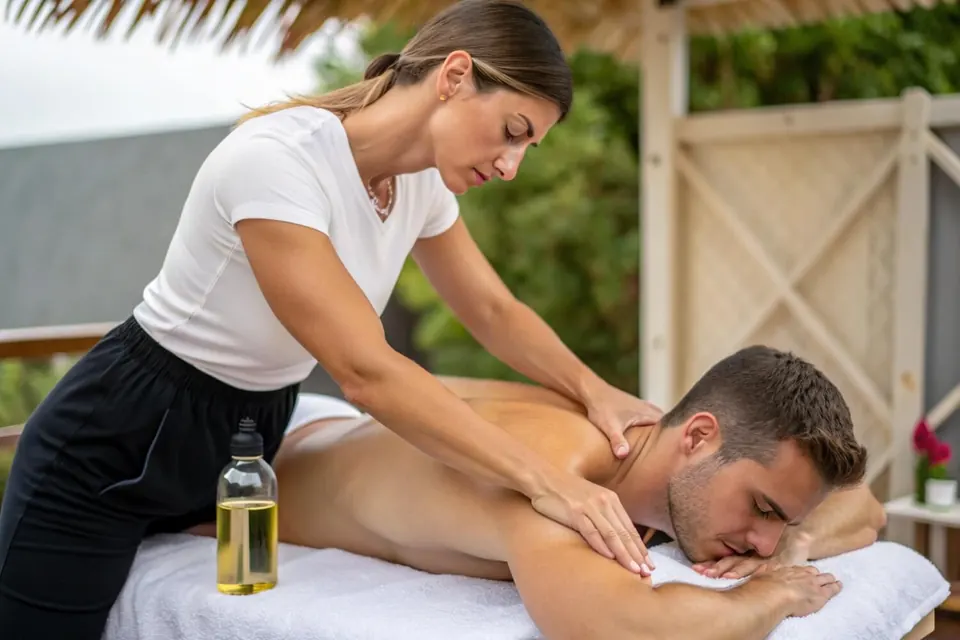
Forearm work — the hallmark of lomi lomi
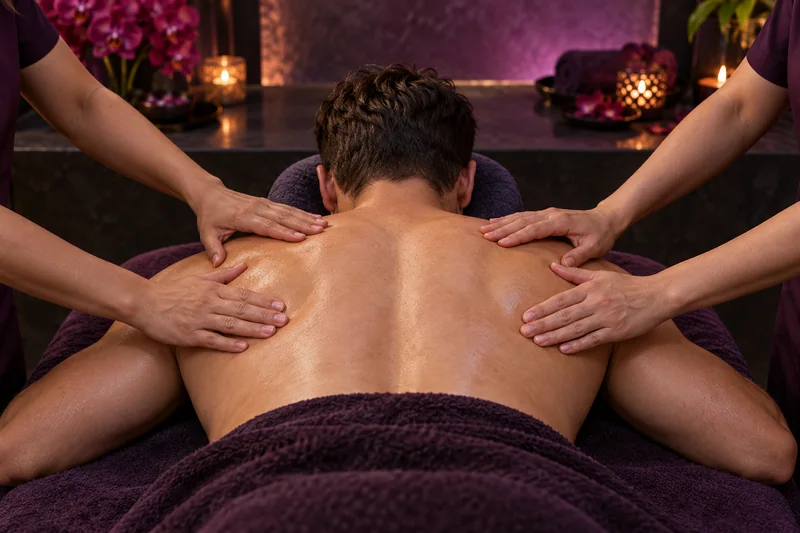
The first thing that sets lomi lomi apart from other massage practices is the use of the forearms as much as the palms. This makes it possible to create long, smooth, wave-like movements that cover the whole body from the crown of the head to the heels.
The movements are not interrupted or fragmented — they are continuous, rhythmic and synchronised with the client's breathing. Sometimes the therapist works with both hands on different parts of the body at once — for example, one hand massages the shoulder and the other the shin. This creates an effect of “confusing” the mind: the brain can't track all the points of contact, and the body sinks into deep relaxation.
Rhythm, energy and oils
Traditionally lomi lomi is performed to Hawaiian music — melodic chants and the sound of the ukulele. The master moves in time with the music, turning the massage into a kind of dance. Clients often note that they lose track of time during the session — a typical sign of an altered state of consciousness.
Like Thai massage with its sen lines or Chinese acupuncture with its meridians, lomi lomi works with energy channels — mana lines (lines of life force). The master works not only on muscle tissue but also on energy flows, removing blocks and restoring the circulation of mana.
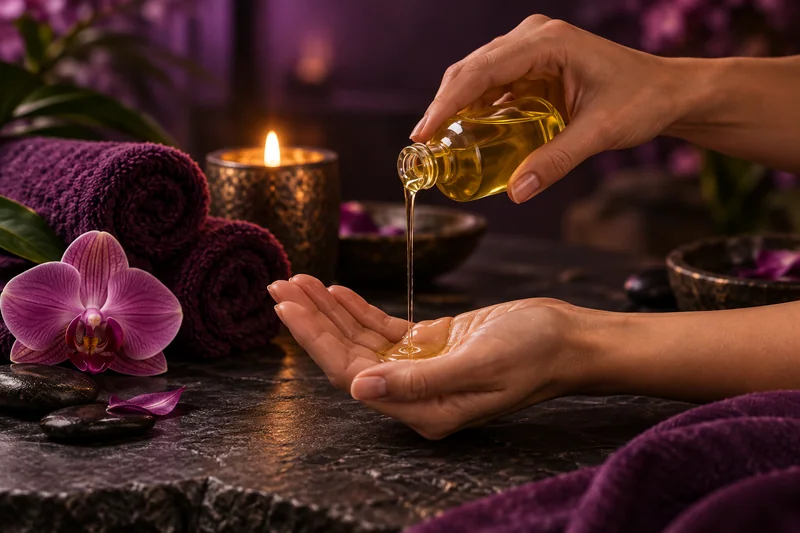
The procedure uses a lot of oil — far more than classic European massage. Traditionally coconut, macadamia and kukui oils are used, with essential oils of plumeria, ginger, sandalwood and ylang-ylang.
Physiological effects: what happens to the body
Effect on muscles and lymph
The long, smooth movements of lomi lomi stretch muscle fibres along their entire length, releasing deep muscle tension, improving fascia elasticity, removing lactic acid and relaxing trigger points.
The rhythmic movements stimulate lymph flow — the body's natural drainage system. This helps remove toxins, reduce swelling, strengthen the immune system and improve the skin.
The nervous system and emotions
Rhythmic, predictable movements, slow music and aromatherapy activate the parasympathetic nervous system (the “rest and digest” mode). The pulse slows, blood pressure falls, breathing deepens, cortisol (the stress hormone) decreases and serotonin and dopamine production increases.
A study conducted at the University of Hawaii in 2018 showed that after a 60-minute lomi lomi session, participants' salivary cortisol fell by an average of 31% and anxiety scores by 28%.
During lomi lomi clients often experience emotional release. Modern body-oriented psychotherapy confirms that the body stores emotional memory, and deep bodywork can release suppressed emotions, leading to catharsis and a feeling of lightness.
How a session goes
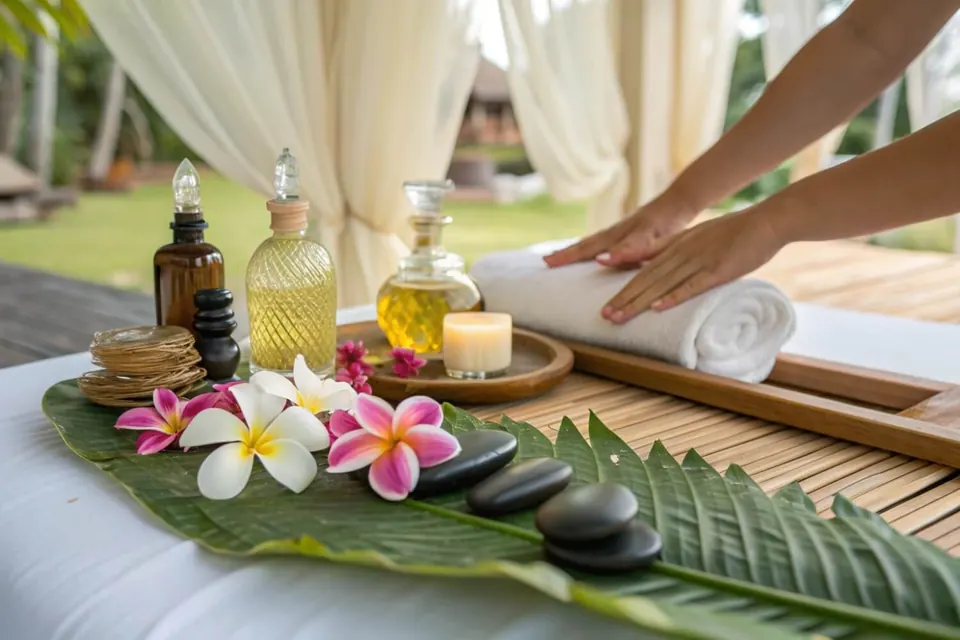
A session usually lasts 60–90 minutes. The client undresses to their personal comfort level, lies on the massage table and is covered with a sheet. The master begins with a moment of silence and attunement, followed by pule — a quiet prayer or intention of healing.
The work usually starts with the back and gradually covers the whole body: legs, arms, belly, chest, neck and head. The session uses light stretching, joint rotations and elements of acupressure. The movements are synchronised with the client's breathing.
The massage ends as softly as it began. After the session it's recommended to drink more fluids for 24 hours and to avoid intense physical exercise and alcohol on the day of the treatment.
How lomi lomi differs from other techniques
| Feature | Lomi lomi | Classic massage | Thai massage |
|---|---|---|---|
| Main tool | Forearms, palms | Palms, fingers | Palms, elbows, feet |
| Type of movement | Long, wave-like, continuous | Local, structured | Stretches, pressure |
| Use of oil | Abundant | Moderate | Minimal |
| Work with energy | Central role (mana lines) | Not considered | Work with sen lines |
| Philosophical basis | Aloha, Huna | Anatomy, physiology | Buddhism, Ayurveda |
| Emotional component | Very strong | Minimal | Moderate |
The key difference of lomi lomi is its holistic approach. Whereas classic massage treats the muscles as a biomechanical system, lomi lomi sees the body as a single whole in which the physical, emotional and energetic are inseparable.
Frequently asked questions about lomi lomi
Is the session painful?
Lomi lomi should not be painful, even with deep work. You may feel intense pressure on tight muscles — a “pleasant pain” that brings relief. If you feel sharp pain, be sure to tell the master.
Do I need to undress completely?
Traditionally lomi lomi is performed on the naked body (except the groin area) so that the long movements are continuous. But many clients keep their underwear on — this is perfectly acceptable. You are always covered with a sheet, and only the area the specialist is working on is uncovered.
How long does the effect last?
The immediate effects (relaxation, lightness in the body) last 2–7 days. Cumulative effects (reduced chronic pain, better sleep, stress resilience) develop with regular practice and can last for weeks and months.
How often should I have sessions?
For deep transformation, a course of 8–10 sessions at intervals of 7–10 days is recommended, followed by maintenance sessions 1–2 times a month. For prevention and stress relief — 1 session every 2–4 weeks.
Can I have lomi lomi during pregnancy?
After the first trimester — yes, if the pregnancy is uncomplicated and your doctor approves. You need a master specialising in prenatal massage; the technique is adapted to the needs of the mother-to-be.
How to choose a master
A real lomi lomi master should have trained at an accredited school (traditionally in Hawaii or with certified teachers) and have at least 2–3 years of regular practice. Ask to see diplomas and certificates.
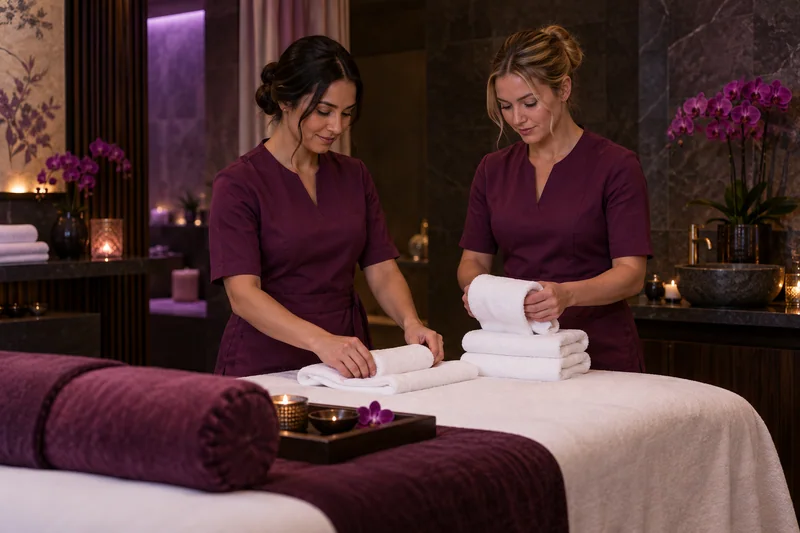
Pay attention to the conditions: the room should be clean, at a comfortable temperature, with a quality massage table and a shower. Good signs are Hawaiian music, aroma lamps and quality oils.
The most important criterion is how you feel and whether you trust the master. Lomi lomi is a deeply intimate process (in the emotional sense), and you should feel safe.
Conclusion
Over years of practice, specialists have become convinced that lomi lomi changes not only the body but also the mind. Clients describe the experience as a “reboot”, a “return to oneself”, a “feeling of wholeness”.
In the modern world, where stress has become the norm and the body is often seen as a tool for achieving goals, lomi lomi restores the lost connection with one's own body. It is a reminder that the body is not a machine to be fixed but a living organism that needs love, attention and care.
Hawaiians believe that health begins with Aloha — love for oneself and the world. Lomi lomi is a way to embody this philosophy through touch. Every session becomes a meditation, every movement a prayer, every touch an act of healing love.