 Viktor Dobrolyubov
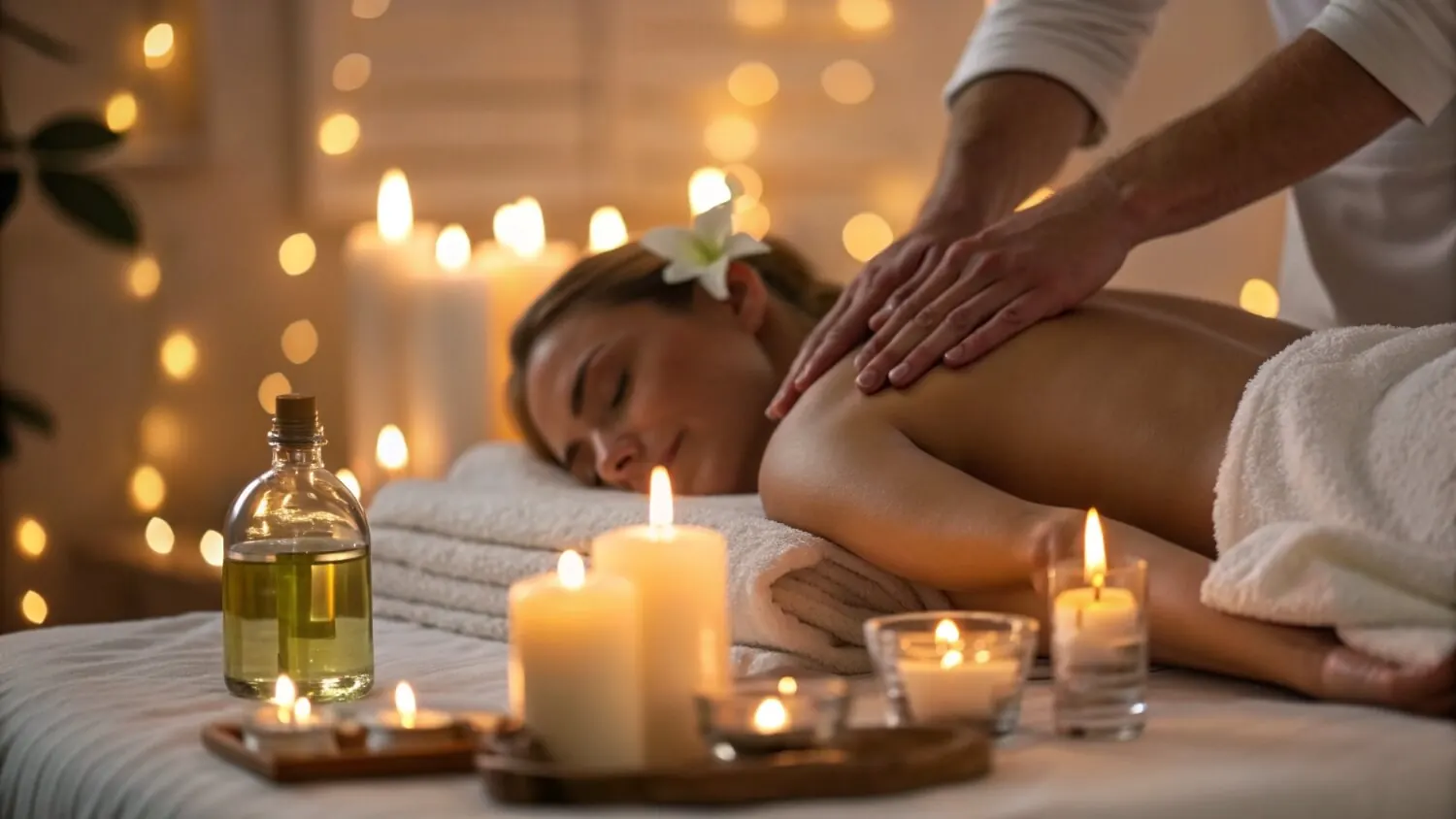
Teasing massage is a special kind of body practice for couples that combines elements of classic massage with sensual, teasing, sometimes deliberately provocative touches. It is not just relaxation but a game, an exploration, a way to deepen emotional and physical closeness through touch. Unlike professional erotic massage, which is best received from the specialists of Orchid spa salon, teasing massage is something couples can practise at home, creating a special atmosphere of trust and pleasure.
The philosophy of the practice: more than just technique
Teasing massage rests on three pillars: trust, attention and playfulness. It is not a competition in technique and not obligatory foreplay to sex. It is a practice in its own right that can be self-sufficient or flow naturally into intimacy — depending on the mood and desire of both partners.
The key difference from ordinary massage
In classic massage the goal is to relax the muscles and relieve tension. In teasing massage the goal is broader: to create waves of varied sensations that balance between relaxation and arousal, predictability and surprise, tenderness and intensity.
If ordinary massage is the body's monologue about relaxation, teasing massage is a dialogue of two bodies in which every touch evokes a response and every reaction shapes the next movement.
Preparation: creating the right atmosphere
The space
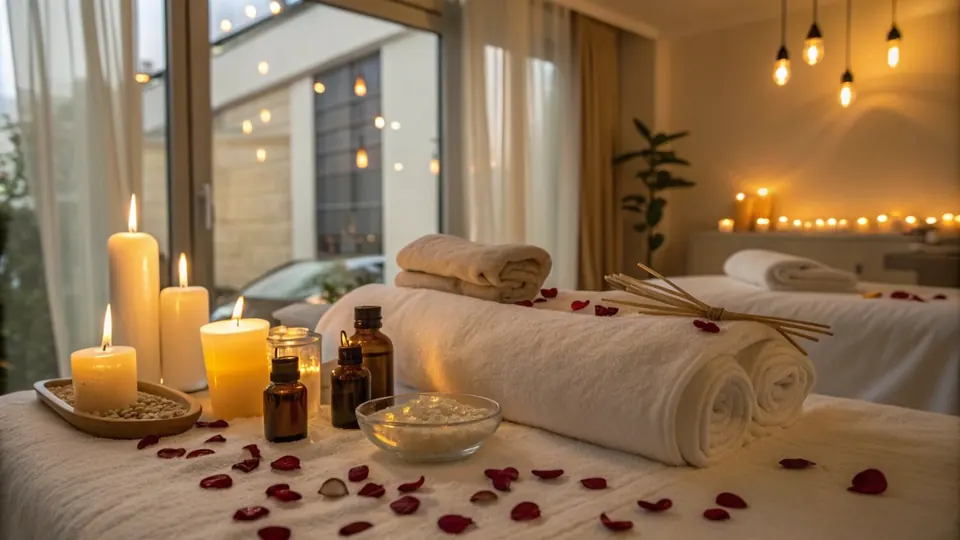
For teasing massage the atmosphere matters more than technical equipment. A bedroom, living room or even bathroom can be the perfect place if you take a few things into account:
Temperature. The room should be warm — 23–25°C. When a person is undressed and still, they quickly get cold, and cold kills relaxation. Have a warm blanket or throw ready in case your partner gets chilly.
Surface. A bed is not the best option for massage, as it is too soft and sinks. Ideally, lay several blankets or a firm mattress on the floor. This gives you a firm enough surface and room to move around your partner.
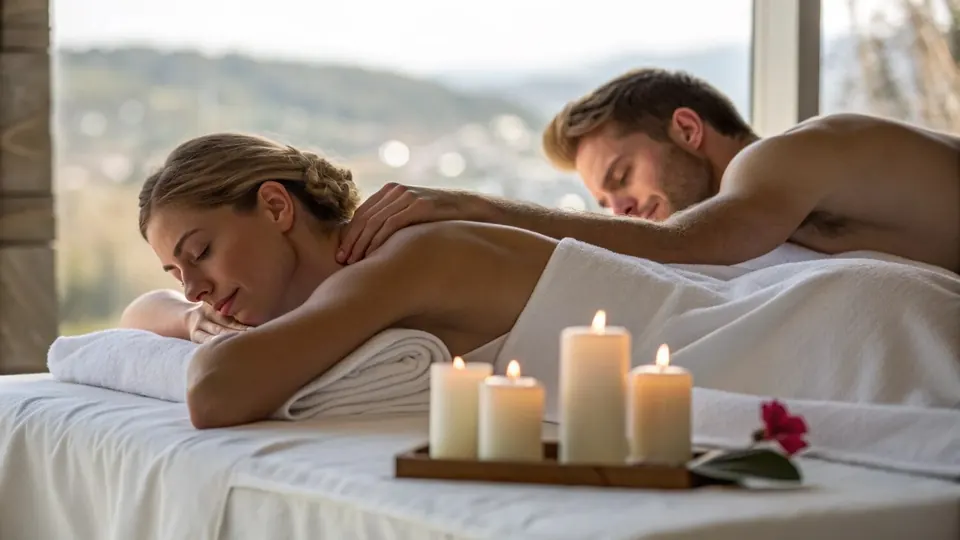
Lighting. Bright light destroys intimacy. Use candles (but place them safely!), fairy lights, salt lamps or simply dim the main light. Semi-darkness helps you relax and feel less shy.
Sound. Silence can be uncomfortable — every body sound, breath and creak of the floor is audible. Put on background music: meditative tracks, ethnic music, nature sounds or ambient. The main thing is no abrupt transitions or lyrics that distract attention.
Scents. A light scent deepens immersion in the process. Light incense sticks or use an aroma lamp with essential oils. Safe choices: lavender (relaxation), ylang-ylang (sensuality), sandalwood (grounding), jasmine (light arousal). But be careful — too much scent can cause a headache.
Essential accessories
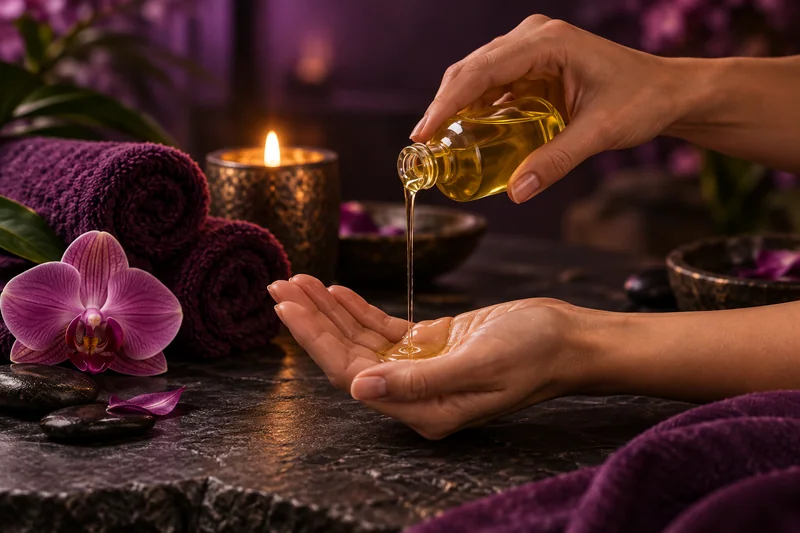
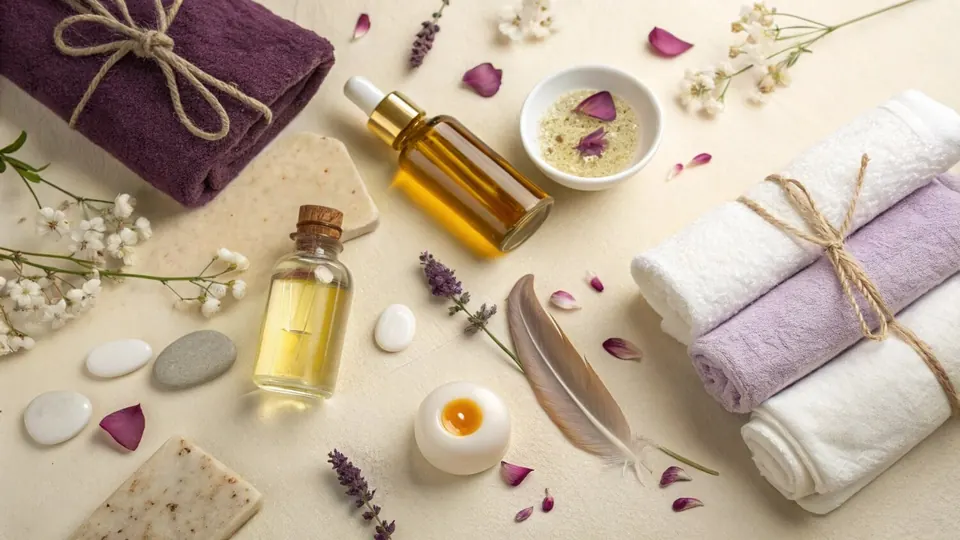
Oil. This is a must. Hands don't glide well over dry skin and can irritate it. Any massage oil from a pharmacy or shop will do, as well as coconut oil (solid at room temperature, melting from the warmth of your hands), almond or peach oil. Avoid mineral oils — they absorb less well.
Warm the oil in your hands before applying it — cold oil on the body is unpleasant. You can put the bottle in warm water in advance.
Towels. A large towel or sheet under your partner's body protects the surface from oil. Small towels are useful for covering the parts of the body you aren't massaging at the moment, or for wiping off excess oil.
Extra textures (optional). Feathers for light touches, a soft brush, pieces of silk or velvet, smooth stones, ice cubes — anything that creates interesting sensations. You don't have to buy special accessories; you can use what you have at home.
Basic techniques: from simple to complex
Technique 1: Classic stroking with variations
This is the basis of any teasing massage. But even stroking has many nuances.
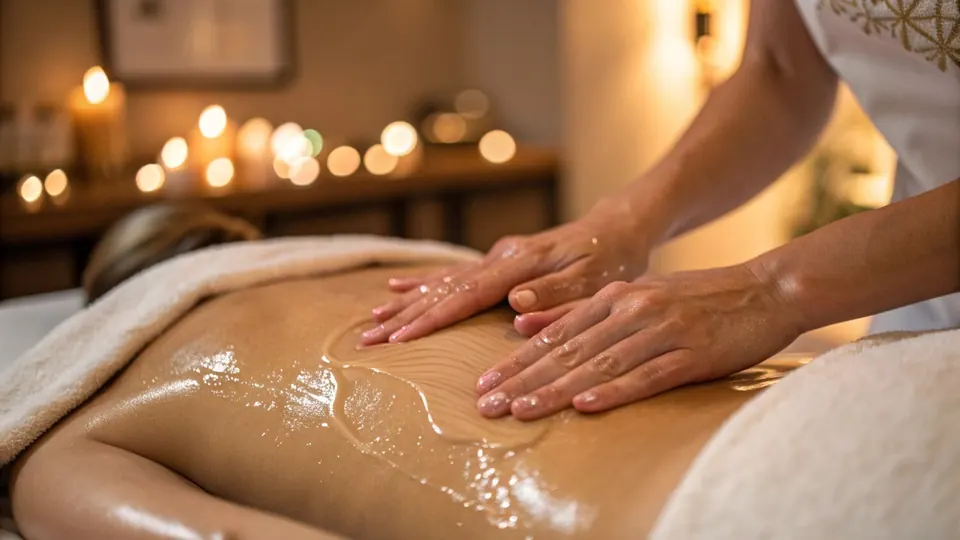
Long gliding movements. With the whole surface of your palms, move from the periphery to the centre of the body: from the feet up the legs, from the hands along the arms, from the lower back up the back. The movements are slow and smooth, with light pressure. This calms the nervous system and helps your partner get used to the touch.
Wave-like movements. Imagine your hands are a wave rolling onto the shore. The palms move one after the other, creating a feeling of continuous movement. Especially effective on the back and thighs.
Varying intensity. Alternate almost weightless touches of the fingertips with firmer movements of the whole palm. This unpredictability awakens attention and heightens sensitivity.
Varying pace. Sometimes slow down almost to a meditative speed, sometimes speed up. A change of rhythm keeps the body from “getting used to it” and switching off.
Technique 2: Kneading — working the deep layers
Once your partner has relaxed from the stroking, you can move on to more intense techniques.
Muscle grips. Grip a muscle firmly (calf, thigh, buttock) and gently squeeze and release it, as if kneading dough. This relieves deep tension and feels very pleasant after surface touches.
Circular thumb movements. On the back, shoulders and lower back, press into the tissues with your thumbs in small circles. Look for knots of tension and linger on them a little longer. Ask your partner about the intensity — it should feel like “pleasant pain”, not sharp discomfort.
Longitudinal rubbing. Rub the muscles along the fibres with the edge of your palm or your knuckles. Works well on the thighs, back and forearms. Creates a feeling of deep warmth.
Technique 3: Playing with contrasts
This is what sets teasing massage apart from ordinary relaxing massage.
Tenderness and intensity. After light, barely perceptible fingertip touches, suddenly move to a firm grip or deep pressure. The contrast heightens the perception of both types of touch.
Warmth and cold. Use warmed oil for the main movements, then unexpectedly run an ice cube or a cold stone over the skin. The sudden change of temperature “wakes up” the nerve endings. Then return to warm touches — after the cold they feel twice as pleasant.
Speed. Slow, languid movements create longing and anticipation. Quick, light touches excite and invigorate. Keep changing the pace — it keeps the body from relaxing completely and holds it in a state of pleasant tension.
Different textures. Alternate touches of the hands with other textures: run a feather over the back, then a soft brush, then your hands again. The brain is intrigued by the variety of sensations.
Technique 4: Teasing touches
This is the heart of teasing massage — the ability to create anticipation and playful tension.
Almost-touches. Move your hand a millimetre from the skin without touching it. The hairs on the body rise, the skin feels the movement of air, and the expectation of touch builds. When the touch finally comes, it feels much more vivid.
Approaching and retreating. Move towards sensitive zones (inner thighs, lower back, neck) but don't reach them, retreating at the last moment. Repeat several times. When you finally get there, the effect will be stronger.
Pauses. In the middle of the massage, suddenly stop with your hands resting on your partner's body, not moving them. A 10–15 second pause makes them concentrate on their sensations; the body begins to wait for more. When you start moving again, sensitivity is heightened.
Unexpected touches. If you have been massaging the back all the time, suddenly run your fingers over the foot or neck. Unpredictability increases the excitation of the nervous system.
Technique 5: Using your body weight
Sometimes your hands get tired, and then other parts of the body come to the rescue.
Forearms. Wide gliding movements of the forearms over the back and legs create an enveloping feeling. The contact area is larger than that of the palms, creating a special sense of immersion.
Elbows. For deep, precise work on trigger points on the buttocks, thighs and back you can use your elbow (very carefully!). This gives a more intense effect without effort.
Gliding with the body. An advanced technique is to glide over your partner's oiled skin with your body. This creates maximum contact and an incredibly intimate feeling. It requires confidence and plenty of oil.
A map of the body: special zones of attention
The back
The safest and most rewarding zone for beginners. It's hard to go wrong here.
Lower back. A very sensitive zone, especially in women. Circular movements, light scratching with the nails and rubbing create very pleasant sensations. The sacrum area is one of the most erogenous zones.
Shoulder blades and shoulders. Huge tension from stress and desk work accumulates here. Deep work on this area brings relief and gratitude. You can alternate intense kneading with light scratching movements.
Spine. The spine itself is not massaged (you must not press on the vertebrae), but the muscles alongside it and the areas between the vertebrae are very responsive. Light pinches and thumb presses along the spine are relaxing.
Legs
Feet. A huge number of nerve endings make the feet incredibly sensitive. Deep kneading of the arch, massage of each toe and rubbing the heel relax the whole body. For an intimate massage add light gliding movements between the toes and kisses.
Calves. Kneading the calf muscles relieves fatigue and tension. Grip the muscle and gently squeeze it, moving from the heel to the knee.
Thighs. The inner thighs are one of the most erogenous zones. Start on the outside, gradually moving to the inside. Alternate firm kneading with light, teasing fingertip touches.
Behind the knees. Very sensitive; touching here can tickle. Use slow, firm movements, avoiding quick light touches.
Buttocks
Large muscles that hold a lot of tension and respond very well to massage.
Deep kneading. The gluteal muscles can be massaged quite intensely — grip, knead, use your knuckles or even elbows (carefully!). This relieves tension and improves circulation.
Light pats. After deep work, light rhythmic pats with the palms create a pleasant vibration and complete the work on this zone.
Transition to the lower back and thighs. The area where the buttocks meet the lower back and thighs is very sensitive. Light scratching movements and slow strokes are especially effective here.
Arms
Palms. A palm massage relaxes the whole body — there are many reflex zones here. Thoroughly massage each finger, the area between the thumb and index finger and the centre of the palm.
Forearms and shoulders. Kneading the forearms brings great relief, especially for people who work at a computer a lot. The shoulder and armpit area is sensitive and needs delicate touches.
The front of the body
When your partner turns onto their back, the massage becomes more intimate — you see their face, emotions and reactions.
Belly. A very vulnerable zone — there is no protection of bones or muscle frame here. Many people are shy about their belly, so delicacy is important. Light clockwise circular movements (in the direction of digestion) relax and improve peristalsis. The area below the navel is especially sensitive.
Chest. The area of the ribs and solar plexus holds a lot of emotional tension. Soft strokes and light presses help “open” this zone.
Neck and décolleté. Incredibly sensitive zones. The back of the neck is more muscular and can be massaged more intensely. The front, where the throat is, requires maximum delicacy. Light strokes, gliding movements of the fingers.
Face and head. A head massage is a pleasure of its own. With slow movements, massage the scalp with your fingertips, gently pull strands of hair, massage the temples and the area around the ears. This brings very deep relaxation.
Common beginners' mistakes
Touches that are too light
Many people are afraid of causing pain and touch too timidly. But touches that are too light can tickle and irritate instead of relaxing. Don't be afraid to apply pressure — ask your partner about the intensity and adjust.
Monotony
Repeating the same movement for a long time dulls attention. The body gets used to it and stops responding. Change techniques, intensity and zones every 2–3 minutes.
Forgetting about yourself
The partner giving the massage often forgets about their own comfort — straining the back or kneeling awkwardly. Find a comfortable position, use pillows under your knees and change position. If you are tired and tense, the quality of the massage drops.
Silence
Communication is critically important. Ask: “How's the intensity?”, “Is this pleasant?”, “Shall I continue here or move on?” Your partner shouldn't be shy about saying that something is too strong or ticklish or, on the contrary, that they want more.
Rushing
Teasing massage is not a race. Slow, thoughtful touches are far more effective than quick ones. Set aside at least an hour for a session, preferably two. Rushing kills all the magic.
Skipping preparation
Jumping into a massage without preparing the space, without oil, in a cold room is a sure way to spoil the experience. Preparation is already part of the ritual — it creates the mood.
The psychology of the process: what to remember
Roles change
Teasing massage shouldn't be one-sided. Take turns — one time you give the massage, another time you receive it. Or swap roles within one meeting, massaging each other in turn.
This is important for balance in the relationship. If one always gives and the other only receives, an imbalance arises.
Vulnerability strengthens intimacy
Lying naked, completely surrendering to your partner's touch, is an act of trust. Such vulnerability strengthens the emotional bond more than any words. It's important to respect this trust — don't criticise the body or make inappropriate comments.
It's not always about sex
Teasing massage may lead to sex or may be self-sufficient. Don't make sex an obligatory finale. Sometimes simply basking in touch, sinking into relaxation and falling asleep is wonderful too.
If arousal arises (and it often does — it's a normal reaction of the body), you don't have to move to sex straight away. You can simply acknowledge it and continue the massage, enjoying the state of longing.
Feedback afterwards
When the session is over, discuss the experience. What was especially pleasant? What would you like to change? Which zones turned out to be unexpectedly sensitive? This feedback will help improve future sessions and get to know each other's bodies better.
Advanced techniques for experienced couples
Working with the breath
Once the basic techniques are mastered, you can synchronise the massage with your partner's breathing. On the inhale — more intense, activating movements. On the exhale — slow, relaxing ones. This brings a meditative state and enhances the effect.
Adding elements of light dominance
For couples interested in the theme of control, teasing massage can become a power game. The person receiving the massage can be “tied” with silk ribbons (symbolically or for real), blindfolded and asked not to move or make a sound. This heightens the sensations and adds drama.
Important: any elements of dominance must be agreed in advance and desired by both partners. A safe word is essential.
Massage in unusual settings
Try a massage in a bubble bath, in the shower (slippery touches on wet skin create completely different sensations), outdoors (if you can find privacy) or on the balcony under the stars. A change of setting refreshes the practice.
Using edible oils
Special edible oils and creams (chocolate, fruit-scented, honey) add a new dimension — the chance to “taste” your partner's body. This blurs the line between massage and oral caresses.
When to turn to professionals
Teasing massage at home is a wonderful practice for couples, but some things are best left to professionals:
-
Deep muscle tension. If your partner has serious back or neck problems or chronic pain, it's better to start with a course of professional therapeutic massage.
-
Learning techniques. Couples' master classes in erotic massage will help you learn the techniques correctly and avoid typical mistakes.
-
New impressions. Sometimes it's useful to receive a massage from a professional — it gives you new ideas you can later use at home with your partner.
At Orchid spa salon we offer a wide range of professional massage techniques that will help you understand your body better and learn to feel the subtle nuances of touch. You can then bring this experience into your practice at home with your partner.