 Viktor Dobrolyubov
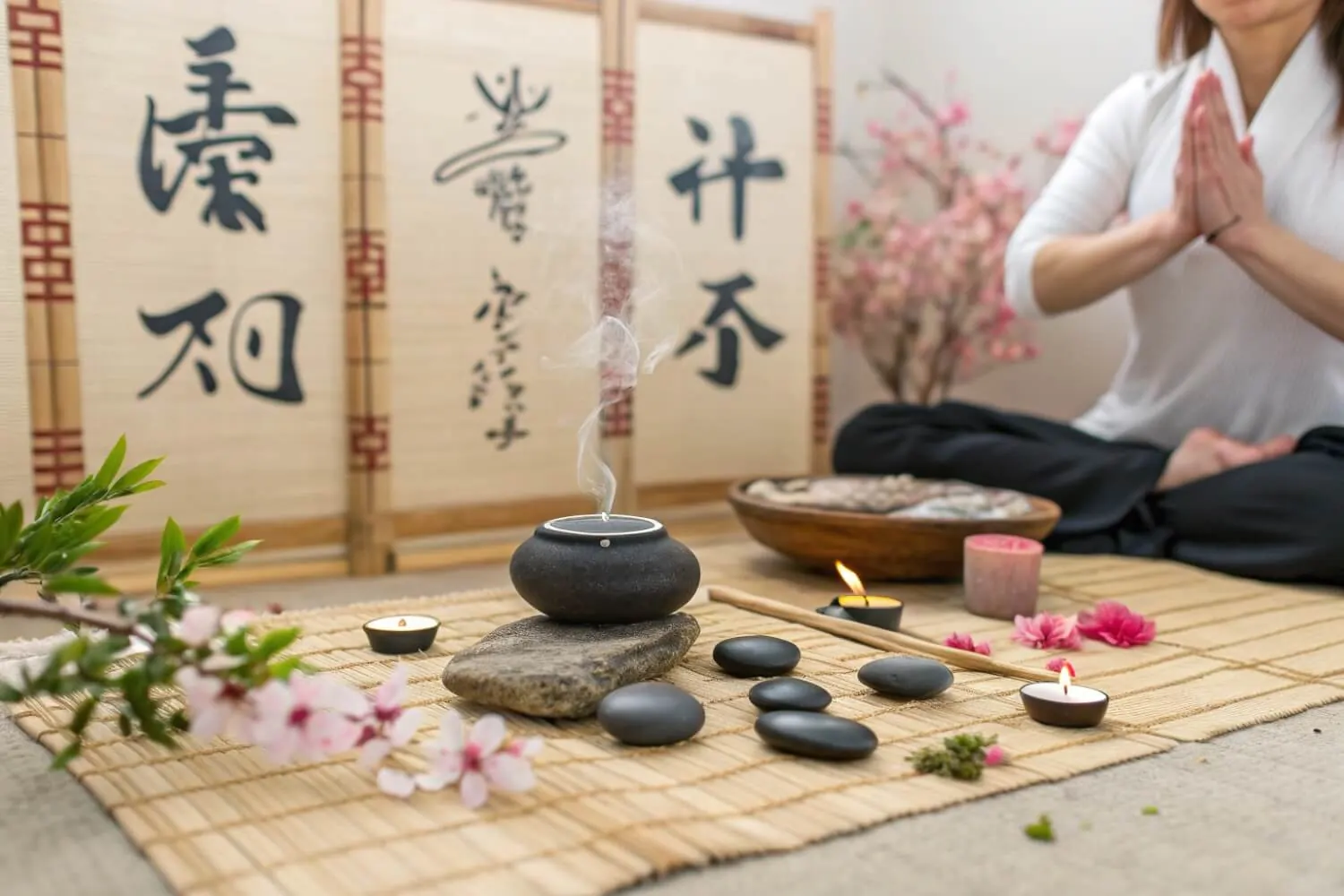
Japan is a country where average life expectancy exceeds 84 years and there are more than 80,000 centenarians. One of the secrets of this phenomenon is the traditional wellness system, in which massage plays a key role. Japanese bodywork techniques — shiatsu, anma, do-in — are not just a way to relax but a whole philosophy of harmony of body and spirit, tested over centuries.
Specialists who have studied Japanese massage practices and worked with them for more than ten years note that these techniques differ radically from European approaches. There is no aggressive kneading of muscles, but there is subtle work with energy meridians, acupressure and deep respect for the body as a temple of vital force.
The origins of the tradition: from China to Japan
The history of Japanese massage begins in the 6th–7th centuries, when knowledge of traditional medicine, acupuncture and tui na massage came to Japan from China. The Japanese adapted these practices to their own culture, creating unique techniques.
Anma (安摩) is the oldest form of Japanese massage; its name translates as “to calm with the hands”. This technique was used at the imperial court and was available only to the nobility. In the Edo period (1603–1868) anma became popular among all classes. An interesting fact: many anma masters were visually impaired or blind — it was believed that the absence of sight sharpens touch and allows one to feel energy flows better.
Shiatsu (指圧) is a younger technique that took shape in the early 20th century. Tokujiro Namikoshi, the founder of modern shiatsu, systematised ancient knowledge and adapted it to Western anatomy. In 1955 shiatsu was officially recognised in Japan as a separate type of therapy. The name translates as “finger pressure”, which precisely reflects the essence of the method.
In Japan massage has never been just a spa procedure. It is a medical practice prescribed by doctors for specific conditions. Massage therapists train for many years, studying not only technique but also anatomy, physiology and the theory of meridians.
The philosophy of Japanese massage: Ki, meridians and tsubo points
Ki energy — the basis of life
Japanese bodywork is based on the concept of Ki (氣) — the vital energy that permeates all living things. It is the counterpart of Chinese Qi, Indian prana and Hawaiian mana. A person's health depends on the free circulation of Ki through the body. Illness arises where energy stagnates (jitsu — excess) or is depleted (kyo — deficiency).
The therapist's task is not just to knead the muscles but to restore the balance of Ki, remove blocks and direct the energy where it should go. An experienced master feels with the hands where energy is in excess (these zones are tense and hot) and where it is lacking (cold, flaccid, “empty” areas).
Meridians — channels of energy
Ki circulates through the body via the keiraku (経絡) system — energy meridians. There are 12 main paired meridians linked to the internal organs:
- Lung and large intestine meridians
- Stomach and spleen-pancreas meridians
- Heart and small intestine meridians
- Bladder and kidney meridians
- Pericardium and triple heater meridians
- Gallbladder and liver meridians
Plus 2 unpaired meridians: the conception vessel and the governing vessel, running through the centre of the body.
Meridians are not physical structures (they can't be seen on an X-ray) but energy pathways linking the surface of the body to the internal organs. By acting on meridian points on the skin, the therapist influences the corresponding organ.
Tsubo points — gates of energy
The meridians carry tsubo (壺) — biologically active points (the counterpart of Chinese acupuncture points). There are more than 600, but about 150 key points are used regularly in massage.
Each point has a name, a number, a precise location and a specific action. For example:
- Hegu (Union Valley, large intestine 4) on the hand between the thumb and index finger — relieves headache and toothache and strengthens immunity
- Sanli (Three Miles, stomach 36) on the shin — the point of longevity, strengthens digestion and increases energy
- Baihui (Hundred Meetings, governing vessel 20) on the crown — calms the mind and relieves dizziness
Acting on tsubo triggers a cascade of reactions: circulation in the organ improves, its function normalises, pain goes and balance is restored.
Shiatsu technique: pressure as an art
Basic principles
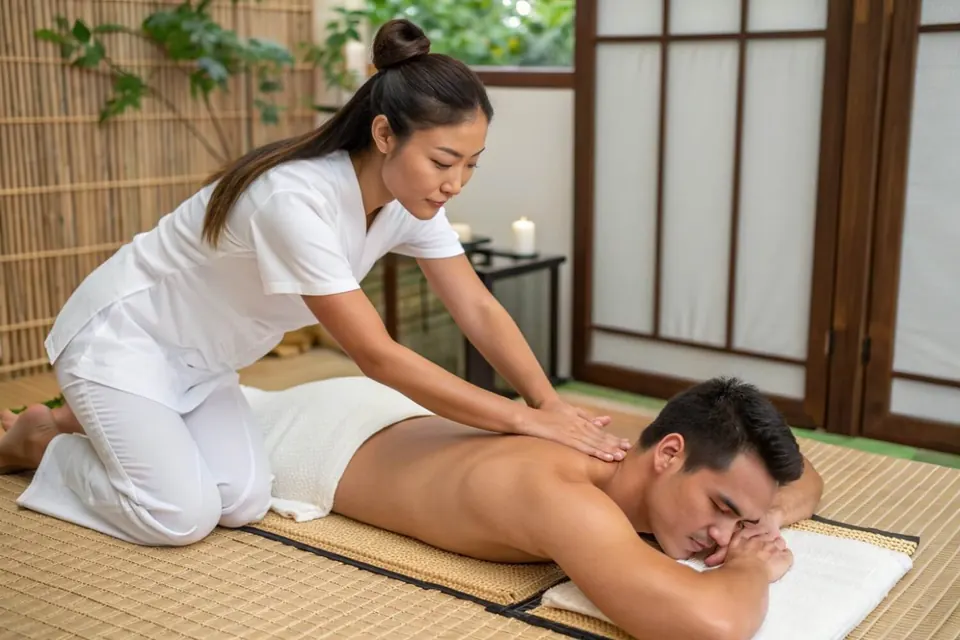
Shiatsu differs radically from European massage. There are no rubbing or kneading movements. The main technique is pressure perpendicular to the surface of the body, gradually increasing and decreasing.
The main rules of shiatsu:
- Pressure comes not from muscle strength but from body weight — the master uses gravity, not tension in the arms
- Vertical direction — the pressure is strictly perpendicular to the surface
- Constant, rhythmic action — without sharp jolts
- Two-handed work — one hand presses (active), the other listens and supports (passive)
- Respect for pain — the pressure should be intense but not cause sharp pain
Tools
Shiatsu uses:
- Thumbs — for precise work with tsubo
- Palms — for wider areas
- Elbows — for deep pressure on large muscles (back, buttocks)
- Knees — in the traditional technique, for the legs and back
- Fists — for the feet and dense muscle areas
Pressure varies from 3–5 kg (for sensitive zones) to 20–30 kg (for the powerful back muscles). One point is pressed for 3–7 seconds, sometimes up to 30 seconds when working with chronic blocks.
Diagnosis by touch
Before the session the master makes a diagnosis. One of the key methods is palpation of the abdomen (fukushin, 腹診). In Japanese medicine the abdomen is considered a mirror of the state of the body. By feeling different zones of the abdomen, the specialist determines which meridians are out of balance and which organs need attention.
The condition of the back is also assessed, especially the area along the spine where branches of all the meridians pass. Tense, painful areas point to problems in the corresponding organs.
Anma technique: rhythmic kneading
Anma is older than shiatsu and closer to Chinese tui na. It has more dynamic, rhythmic movements. The main techniques:
- Oyu — stroking to prepare the tissues
- Tsuina — pinching and kneading the muscles
- Rosatsu — rubbing to warm up
- Atsueki — pressure (similar to shiatsu but more dynamic)
- Kokusatsu — vibration and tapping
Anma is performed through thin clothing (traditionally a cotton kimono), which creates pleasant friction. The movements are faster and more intense than in shiatsu. If shiatsu is meditative, static pressure, anma is rhythmic, almost dance-like work.
Anma is often used for general well-being, relieving fatigue after hard work and improving circulation. Shiatsu is a more targeted therapy for specific problems.
Physiological effects of Japanese massage
Effect on the nervous system
Pressure on tsubo stimulates the nerve endings, sending signals to the spinal cord and brain. The parasympathetic nervous system is activated, and the body switches to recovery mode. Cortisol levels fall, endorphin (natural painkiller) production improves and sleep normalises.
Japanese studies show that regular shiatsu sessions reduce anxiety by 40–45% in patients with chronic stress. The effect is comparable to drug therapy, but without side effects.
Improved blood and lymph circulation
Pressure on the tissues mechanically pushes venous blood and lymph out of congested areas. When the pressure is released, a compensatory inflow of fresh arterial blood follows — the tissues receive oxygen and nutrients, and metabolism speeds up.
Work on the points along the spine is especially effective: blood supply to the spinal cord and peripheral nerves improves, reducing pain and restoring sensitivity in sciatica and disc herniation.
Working with the internal organs
A unique feature of Japanese massage is its deep effect on the internal organs through the reflex connections of the meridians. For example:
- Work on the stomach meridian improves digestion and relieves nausea and heartburn
- Stimulating the liver meridian helps with chronic fatigue syndrome and depression
- Massage of the lung meridian eases breathing in asthma and chronic bronchitis
- Work on the kidney meridian strengthens immunity and relieves fears
This is not esotericism but reflex therapy. Modern research confirms that stimulating certain points on the skin really does affect the function of internal organs via the autonomic nervous system.
Correcting posture and working with the musculoskeletal system
Japanese massage is effective for:
- Back, neck and shoulder pain
- Mild to moderate scoliosis
- The after-effects of injuries (during rehabilitation)
- Arthrosis and arthritis (outside flare-ups)
- Muscle spasms and contractures
Pressure on trigger points (painful knots in the muscles) relaxes spasmed fibres and restores blood flow. Stretches and joint mobilisation increase the range of movement.
How a session goes
Preparation and diagnosis (10 minutes)
The session begins with a conversation. The master finds out the client's complaints, medical history and lifestyle. Then they palpate the abdomen and back and assess posture, gait and muscle tone.
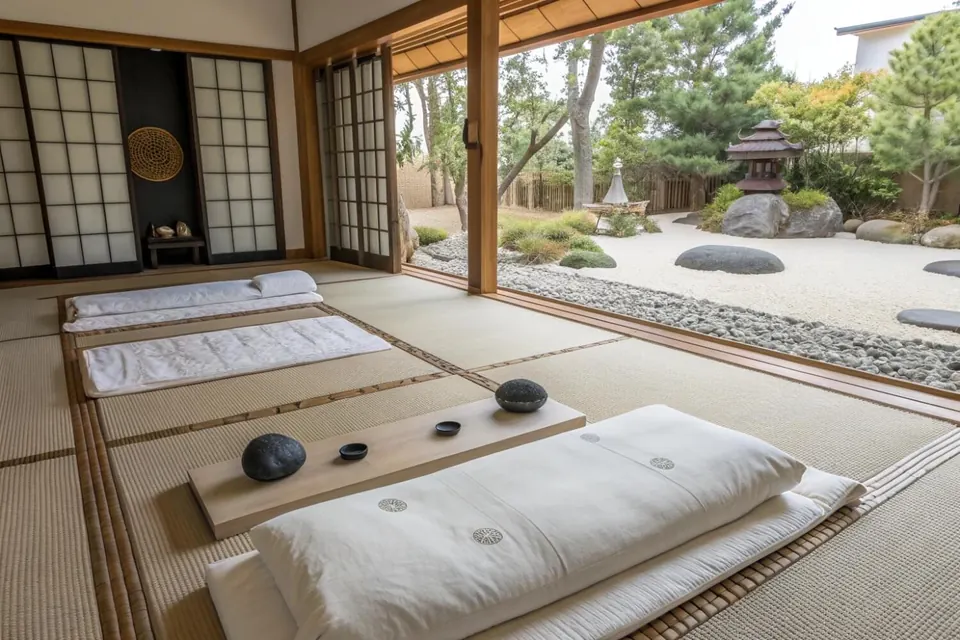
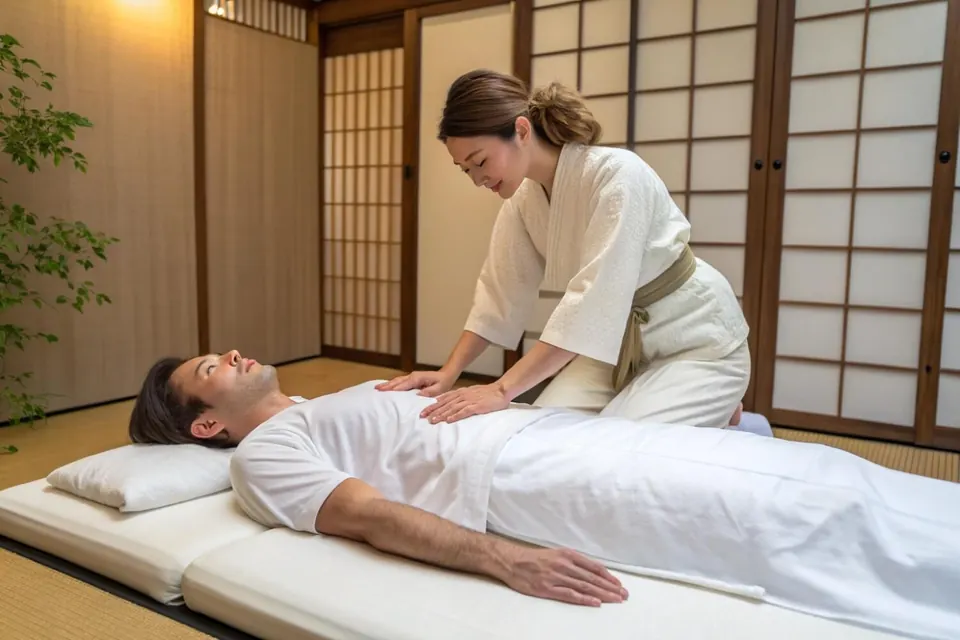
The client usually stays in light clothing (a T-shirt, tracksuit trousers) or undresses to their underwear. Traditionally shiatsu is performed on a tatami (a firm mattress on the floor), but nowadays a massage table is used.
Main work (40–60 minutes)
The session usually starts with the client lying on their stomach. The master works on:
Back and shoulders (15–20 minutes):
- Pressure along the spine from the neck to the sacrum
- Work on the bladder meridian points (BL11–BL30)
- Deep work on the shoulder blade area
- Stretches of the shoulder girdle
Legs, back surface (10–15 minutes):
- Bladder and gallbladder meridians
- Special attention to the Sanli point on the shins
- Work on the feet, where many meridians begin or end
Then the client is asked to turn onto their back:
Abdomen (5–10 minutes):
- Soft, deep clockwise pressure
- Stimulating digestion
- Balancing the meridians
Legs, front surface (10 minutes):
- Stomach, spleen and liver meridians
- Mobilisation of the hip, knee and ankle joints
Arms (5–7 minutes):
- Lung, heart, pericardium and large intestine meridians
- Work on the hands and fingers
Head, neck, face (5–10 minutes):
- Pressure on the gallbladder and bladder meridian points on the head
- Massage of the neck and trapezius muscles
- Work on the face (if included in the programme)
During the session the master constantly “listens” to the body, adjusting the pressure and technique. In zones with a lot of energy (jitsu), a dispersing technique is used — more intense, dynamic pressure. Where energy is lacking (kyo), a tonifying technique is used: soft, long, warming pressure.
Completion (5 minutes)
At the end of the session the master performs light stretches of the whole body, integrating the work done. The client is given time to lie quietly, then offered green tea or water.
Recommendations after the session:
- Drink more water (to flush out toxins)
- Avoid heavy physical exertion on the day of the procedure
- Listen to your sensations (drowsiness or slight dizziness are possible)
- If symptoms worsen (rare, but it happens), it's a normal “worse before better” reaction that passes in 1–2 days
The signature “Sakura Branch” programme at Orchid spa salon
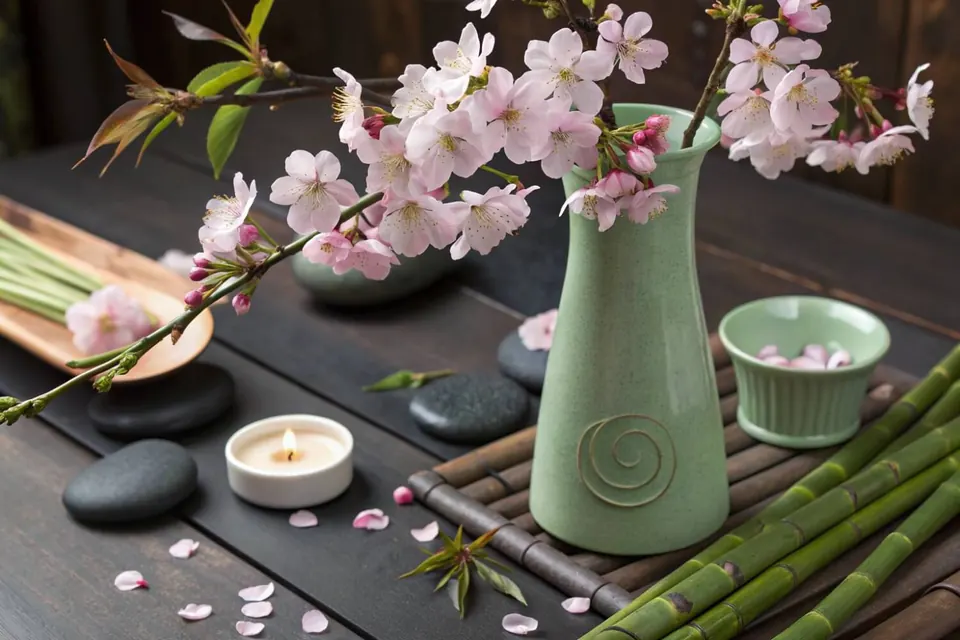
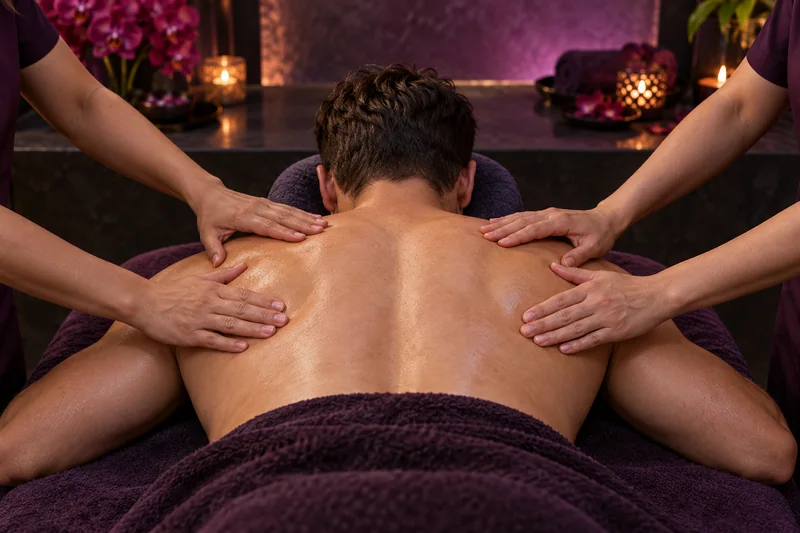
Orchid spa salon has developed a unique signature programme, “Sakura Branch”, which combines the best elements of traditional Japanese techniques with modern spa rituals.
The programme includes:
- Elements of shiatsu — acupressure on key tsubo
- Anma techniques — rhythmic kneading to relieve muscle tension
- Aromatic oils with extracts of sakura, green tea and Japanese iris
- Work with hot stones in the spirit of the Japanese philosophy of harmony of the elements
- A tea ceremony after the session
“Sakura Branch” is adapted for European clients but keeps the spirit of the Japanese tradition — attentiveness, respect for the body and the pursuit of balance and harmony. It is not only therapy for the body but also a journey to inner peace.
How Japanese massage differs from other techniques
| Feature | Japanese (shiatsu) | Thai | Classic European |
|---|---|---|---|
| Main technique | Static pressure | Stretches, pressure | Kneading, rubbing |
| Tool | Thumbs, palms | Palms, elbows, feet, knees | Palms, fists |
| Work with energy | Central (meridians, tsubo) | Sen lines, chakras | Not considered |
| Client's clothing | Light or minimal | Loose clothing | Minimal |
| Use of oil | Usually without oil | Without oil | Abundant |
| Surface | Traditionally the floor (tatami) | Floor (mattress) | Massage table |
| Philosophy | Zen Buddhism, the concept of Ki | Buddhism, Ayurveda | Anatomy, biomechanics |
| Diagnosis | Palpation of the abdomen and back | Visual, palpation | Visual |
The main difference is the holistic approach. Japanese massage doesn't treat a symptom locally but looks for the root of the problem in an imbalance of the meridians and restores the harmony of the whole body.
Frequently asked questions
Does Japanese massage hurt?
The pressure is intense, especially on active points and tight muscles. It's a “pleasant pain” — the so-called “good suffering” (the Japanese say “itai kimochi”, 痛気持ち). But if the pain is sharp and unbearable, tell the master.
How many sessions are needed for results?
For acute problems (sudden back pain), relief comes after 1–3 sessions. For chronic conditions, a course of 8–10 sessions at intervals of 5–7 days. For prevention, 1–2 sessions a month.
Can I have shiatsu with a herniated disc?
Outside a flare-up — yes, shiatsu is effective for herniated discs. But you need an experienced master and a neurologist's approval. The right treatment relieves muscle spasm, improves tissue nutrition and reduces pain.
How does Japanese massage differ from Chinese?
They are related (shiatsu and anma grew out of Chinese tui na), but there are differences. The Japanese are softer, more precise and meditative. Chinese massage is more intense and aggressive, with more dynamic techniques. Shiatsu is Zen Buddhism in massage: minimalism, precision, depth.
Do I need to prepare for a session?
Don't eat heavily for 1.5–2 hours before the session (work on the abdomen may be uncomfortable). Don't come after an intense workout. Wear comfortable, loose clothing or bring a change of clothes.
Conclusion: the Japanese path to health
Japanese massage is not a quick fix but a philosophy of long-term care for your health. The Japanese believe in the concept of ikigai (生き甲斐) — the meaning of life — and kenko (健康) — health as the basis of a long, quality life. Massage is one of the pillars of this system.
Specialists working with Japanese techniques notice that clients who have shiatsu regularly change not only physically (pain goes, sleep improves) but also psychologically. They become more mindful, attentive to the body's signals and calm.
Japanese massage teaches the main thing: the body is not an enemy to be defeated, nor a machine to be repaired. It is a wise teacher that always tells the truth about our state. We only need to learn to listen.